


This company has no active jobs
0 Review
Rate This Company ( No reviews yet )
About Us
15 Best Pinterest Boards Of All Time About Portable Ramp For Wheelchair
The Importance of Portable Ramps for Wheelchairs: Enhancing Mobility and Accessibility
In a world that prides itself on inclusivity, guaranteeing that individuals with mobility obstacles can browse their surroundings freely remains a vital priority. Among the most reliable solutions for improving mobility is the usage of portable ramps for wheelchairs. These ramps provide a vital methods of getting rid of barriers, whether at home, work, or in public spaces. This post will check out the significance of portable wheelchair ramps, their various types, key functions to think about, and frequently asked concerns about their usage.
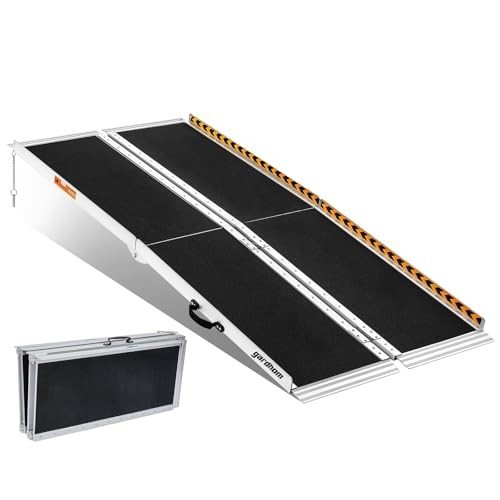
The Need for Portable Ramps
Wheelchair users typically come across physical barriers that make navigating the environment tough. From curbs to steps, the lack of accessibility can restrict self-reliance and result in increased disappointment. Portable ramps work as a practical option to these barriers, making it possible for smoother transitions between various surface areas.
Advantages of Portable Ramps
The advantages of portable wheelchair ramps extend beyond simple mobility support. Below are a few essential benefits:
-
Enhanced Independence: Portable ramps empower wheelchair users by allowing them to access homes, automobiles, and public locations without needing support.
-
Flexibility: They can be utilized in different settings, from residential homes to parks, making them a valuable addition for anyone with mobility challenges.
-
Alleviate of Transportation: Many portable ramps are created to be lightweight and collapsible, making them simple to transportation.
-
Price: Compared to more permanent installation solutions, portable ramps frequently represent a portion of the cost while providing adequate accessibility.
Types of Portable Ramps
When selecting a portable ramp, comprehending the various types available is vital. The following table summarizes the most typical kinds of portable ramps for wheelchairs:
| Type | Description | Best For |
|---|---|---|
| Folding Ramps | Ramps that can be folded in half for simple transportation. | Vehicles, doorways, and steps. |
| Telescoping Ramps | Ramps that can extend and retract for differing heights. | Trucks, SUVs, and irregular surface areas. |
| Modular Ramps | Adjustable systems that can be assembled as required. | Permanent or semi-permanent setups. |
| Limit Ramps | Developed to bridge small height distinctions, like entrances. | Homes and smaller entranceways. |
| Roll-up Ramps | Lightweight ramps that can roll up for portability. | Quick shifts on the go. |
Secret Features to Consider
When selecting a portable ramp, several functions should be thought about to ensure it fulfills the user’s requirements. Below is a list of important functions:
-
Weight Capacity: Ensure the ramp can support the user’s weight and any additional equipment, like oxygen tanks or other mobility help.
-
Length and Angle: The length of the ramp affects its slope. A longer ramp supplies a gentler incline, which is easier to navigate.
-
Material: Portable ramps are frequently made from aluminum, plastic, or wood. Aluminum is lightweight and resilient, while plastic frequently uses some weight reduction and is resistant to weather.
-
Surface Texture: A non-slip surface area helps ensure security during use, especially in wet weather condition.
-
Portable Design: Look for ramps that are simple to fold, roll, or transport without special tools.
-
Safety Features: Some ramps feature integrated side rails or security straps to secure them in location, improving user security.
-
Customization: Consider ramps that can be customized in length, width, or slope to suit private requirements.
Regularly Asked Questions (FAQ)
1. How do I figure out the ideal length of a portable ramp?
To figure out the appropriate length of a portable ramp, the basic standard is the incline ratio. Ideally, for every single inch of height, there ought to be at least 12 inches (1:12 ratio) of ramp length. For instance, if an action is 6 inches high, the ramp needs to be at least 6 feet long.
2. Can portable ramps be used for lorries?
Yes, portable ramps are particularly created for loading wheelchairs into vehicles, consisting of vehicles, vans, and SUVs. Make certain to choose a ramp that is ideal for automobile use and can handle the weight of the wheelchair and user.
3. What upkeep do portable ramps require?
Maintenance is fairly simple. Routinely examine the ramp for signs of wear and tear, such as fractures or bent areas. Clean the surface to remove dirt or debris that might affect traction, and check the hinges or collapsible parts for any operational issues.
4. Are there portable ramps appropriate for outdoor usage?
Yes, numerous portable ramps are developed for outside use and constructed from weather-resistant products. It’s important to select a ramp that can withstand various climate condition to maintain toughness and safety.
5. How much do portable ramps usually cost?
The price of portable ramps varies widely based upon size, products, and features. Typically, costs can vary from ₤ 100 to ₤ 600. Higher quality and specialized ramps may cost more but offer higher sturdiness and safety.
Portable ramps for wheelchairs are indispensable tools that promote mobility and accessibility for individuals with impairments. The benefits they supply, from boosting independence to decreasing barriers, highlight their value in everyday life. When selecting a portable ramp, users ought to consider various types, crucial functions, and personal requirements to discover the finest suitable for their requirements.
As society continues to progress towards higher inclusivity, investing in portable ramps allows everyone the chance to browse their world more easily and with confidence.
